About Non Gmo Soya Tvp
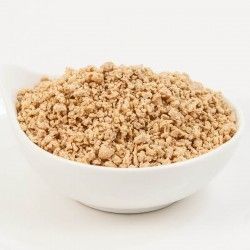
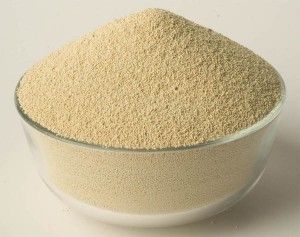
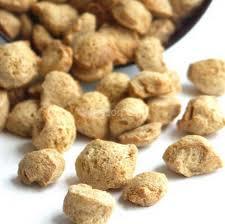
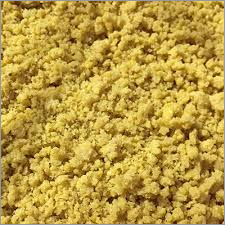
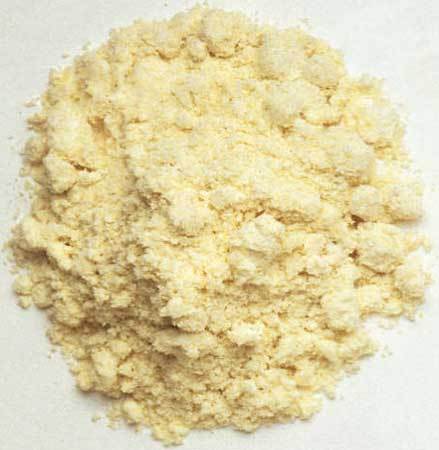
Known among the eminent manufacturers, exporters and suppliers in the domain, we are instrumental in providing top grade Non Gmo Soya TVP. As a defatted soy flour product, it is mostly found as an ingredient in meat analogues. As a byproduct of extracting soybean oil, it is considered a high-protein food. Moreover, the provided Non Gmo Soya TVP can be bought from us at cost effective prices in hygienic packaging options.
Key Points:
- Improves water absorption
- High nutritional value
- Improves texture of meat
- Long shelf life
We are the manufacturer of thenon gmo soya tvp :
- Moisture:8% max
- Protein:56%on dry basis (wet basis 52%min)(nx6.25)min
- total ash :0.40%
- fiber 3.0%
- fat content:01%
- size:3 to 5 mm
- water absorption:2.5 to 3.5 times
- total plate count <2ooo/gms
- coliform:<10/gms
- e-coli:nil
- salmonella:nil/25gms
- yeast & mould:<100/gms
Versatile High-Protein Plant-Based IngredientSoya TVP is a plant-based protein source that aligns with vegetarian and vegan dietary requirements due to its non-GMO and gluten-free status. Available as granules or chunks, this textured vegetable protein can mimic the texture of meat in a breathtaking array of recipes.
Nutritional Value and Health BenefitsWith a minimum of 50% protein content on a dry basis and very low fat (max 1.0%), Soya TVP provides essential nutrients without excess calories. Its high fiber and purity content supports healthy digestion and dietary requirements, making it a smart choice for mindful eaters.
Storage and Shelf Life RecommendationsTo maintain optimal freshness, store Soya TVP in a cool, dry place away from moisture and direct sunlight. Its low moisture content and solid structure grant it a shelf life of 12-18 months, serving distributors, retailers, and end-users with reliable storage flexibility.
FAQs of Non Gmo Soya Tvp:
Q: How is Non-GMO Soya TVP typically used in cooking?
A: Non-GMO Soya TVP can be used as a meat substitute in vegetarian or vegan dishes such as curries, stir-fries, soups, and burgers. Simply rehydrate the granules or chunks in hot water, drain, and add them to your preferred recipes, where they absorb flavors exceptionally well.
Q: What are the benefits of choosing certified Non-GMO Soya TVP?
A: Certified Non-GMO Soya TVP ensures you consume a product free from genetically modified organisms, meeting strict quality standards for purity and food safety. It also appeals to health-conscious consumers and those preferring clean-label, plant-based food options.
Q: When should Soya TVP be used as an ingredient substitute?
A: Soya TVP is ideal when you need a high-protein, plant-based replacement for minced or chunked meat. Use it as an extender in recipes, to increase protein content, or when catering to gluten-free, vegetarian, or vegan diets.
Q: Where does the neutral or bland flavor of Soya TVP become an advantage?
A: The bland, neutral taste allows Soya TVP to blend well into various cuisines and absorb surrounding spices, stocks, or sauces. This quality makes it especially valuable in recipes that demand the final dish carries the flavors you add, rather than the protein itself.
Q: What is the rehydration process for Soya TVP before cooking?
A: To rehydrate Soya TVP, soak it in hot water for 10-15 minutes, during which it swells and absorbs over three times its weight in water. Drain off excess liquid before adding the TVP to your recipe.
Q: How should Soya TVP be stored to ensure maximum shelf life?
A: For best results, store Soya TVP in an airtight container in a cool, dry location, away from excessive moisture and direct sunlight. Proper storage will help maintain its solid content and ensure freshness for up to 18 months after the manufacturing date.

 Chat with us






 Send Inquiry


 Send Inquiry