About Soya Lecithin Food Grade
Non GMO Soya Lecithin Food Grade:
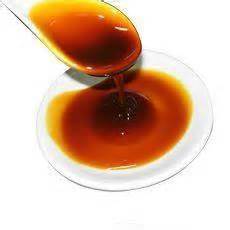
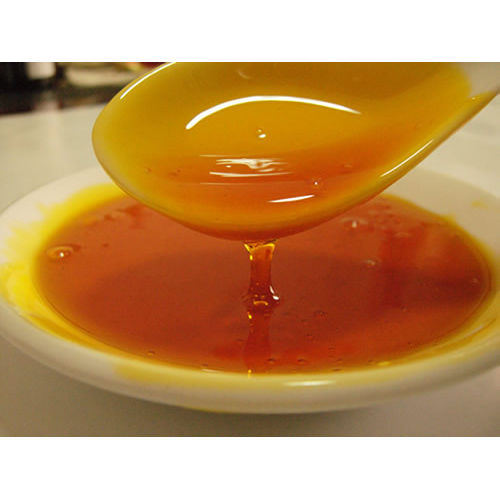
Non GMO Soya lecithin is clear amber coloured, viscous fluid obtained from hydrated gums of soya crude oil (produced from Non GMO Soya beans) by the process of drying and filteration. It consists all natural phosphetides in their original relative proportions and soya bean oil.
PHYSICAL AND CHEMICAL STANDARDS:-
| Apperance |
Viscus liquid |
| Flavour |
Typical of lecithin, free from undesirable odor. |
| Colour |
amber colour, gardner-12 max. |
| Moisture |
0.8% max. |
| Acid value |
28% mg KOH/gm max. |
| Acstone Insoluble |
61% minimum |
| Benzene Insoluble |
0.30% maximum |
| Peroxide Value |
3.0 meq/ kg max. |
| Hexana Insoluble |
0.30% max. |
| Viscosity |
10000 cps (100 poise) max. |
| Specific gravity |
1.0305 +- .005 kg/L at 25oC |
| Arsenic |
NIL |
| Heavy metals |
NIL |
TYPICAL PRODUCT COMPOSITION:-
| Phosphotidyl Cholina (PC) - |
18.0% |
| Phosphotidul Ethanolamire PE - |
15.0% |
Phosphotidylinosilol
|
13.0% |
| Other Phospholipids & lipids - |
10.0% |
MICROBIOLOGICAL STANDARDS:-
| Total plate count |
1000/g maximum |
| Coliforms |
Absent |
| E-coli |
Absent |
| Yeast & Moulds |
50/gm Maximum |
| Solmonella |
Absent |
| Staphylococcud |
Absent |
- PACKAGING: Food grade 200 kg MS drums/HDPE Barrels.
- RECOMMENDED STORAGE: Store in cool, dry area free from toxic chemicals, odors, insects & rodent infestation
- REGULATORY STATUS: Lecithin is generally recognized as safe (GRAS) as a multipurpose food substance.
Key Properties and CompositionSoya Lecithin Food Grade stands out for its high purity level, exceeding 98%, and robust phospholipid content above 60%. The molecular formula is primarily C35H66NO7P, and it features low acid and peroxide values, ensuring stability and safety for consumption. Presented as a viscous liquid, it exhibits a characteristic mild smell and neutral taste, making it suitable for a variety of uses.
Wide-Ranging ApplicationsThis food-grade emulsifier is essential in multiple industries. In food processing, it helps stabilize and blend ingredients, while in pharmaceuticals, it assists in drug formulation and delivery. The cosmetic sector employs soya lecithin for its moisturizing and binding properties in lotions and creams. Its adaptability and effectiveness in enhancing product texture are highly valued by manufacturers.
Packaging and Storage GuideSoya Lecithin Food Grade is available in HDPE drums, flexitanks, and IBC totes, tailored to meet different supply chain requirements. For optimal quality retention, it should be stored in a cool, dry area, shielded from direct sunlight. Ensuring proper storage helps sustain its shelf life of up to 24 months and maintains its emulsifying efficiency.
FAQs of Soya Lecithin Food Grade:
Q: How is Soya Lecithin Food Grade typically used in the food industry?
A: Soya Lecithin Food Grade functions as an emulsifier in food processes, assisting in the mixing and stabilization of ingredients in products such as baked goods, chocolates, and margarine. Its ability to disperse in water and dissolve in oil and ethanol helps create consistent textures and prevents ingredient separation.
Q: What benefits does Soya Lecithin provide in pharmaceutical and cosmetic applications?
A: In pharmaceuticals, soya lecithin aids in formulating drugs, enhancing bioavailability, and stabilizing mixtures. For cosmetics, it provides moisturizing and binding qualities, improving the texture and spreadability of creams and lotions because of its inherent emulsifying properties.
Q: Where can Soya Lecithin Food Grade be sourced or purchased in India?
A: Soya Lecithin Food Grade is available through distributors, exporters, importers, manufacturers, and suppliers across India. It is commonly supplied in HDPE drums, flexitanks, or IBC totes to suit various volume requirements and logistics needs.
Q: What is the recommended storage process for Soya Lecithin Food Grade?
A: To maintain its quality, soya lecithin should be stored in a cool, dry place away from direct sunlight. Proper storage conditions help preserve its shelf life of 24 months and prevent degradation or changes in physical properties.
Q: When does Soya Lecithin begin to lose its effectiveness?
A: Soya Lecithin retains its emulsifying and stabilizing properties for up to 24 months if stored under recommended conditions. Exposure to heat, moisture, or direct sunlight can reduce its potency and shelf life.
Q: How does Soya Lecithin benefit manufacturers and suppliers in their operations?
A: Manufacturers and suppliers benefit from soya lecithins versatility, as it enhances product quality, stability, and shelf life. Its food-grade certification ensures safety, while its multipurpose functionality allows for wider market access and efficient product formulation.

 Chat with us







 Send Inquiry


 Send Inquiry